1. Solar Plus Storage Becomes the New Standard
While solar panels alone reduce electricity bills, the integration of battery storage systems is transforming energy independence. In 2025–2026, combining solar with lithium-ion and emerging storage technologies will become standard practice.
-
Residential Impact: Homeowners in Florida and Texas are increasingly pairing rooftop solar with storage to ensure resilience during grid outages caused by storms.
-
Commercial and Industrial Use: Factories and hotels can shift excess solar energy into batteries, reducing peak demand charges and improving operational reliability.
-
Real Example: In Puerto Rico, after hurricanes, businesses with solar + storage systems were able to resume operations days earlier than those relying solely on grid power.
2. Smart Home and Smart Grid Integration
The rise of Internet of Things (IoT) devices is making it easier to manage energy in real time. By 2026, most new solar systems will come with integrated software platforms that connect panels, batteries, EV chargers, and appliances.
-
Smart Homes: A condominium complex in Miami recently adopted a solar-powered microgrid with smart meters, allowing residents to monitor and optimize usage from their phones.
-
Smart Businesses: Hotels in the Caribbean are using smart energy management systems to control air conditioning and pool heating, cutting energy costs by up to 40%.
-
Trend Forecast: Expect tighter integration between solar systems and utility smart grids, enabling dynamic pricing and load balancing.
3. Policy Shifts and Incentives Drive Growth
Regulation continues to shape the solar market.
-
United States: The Inflation Reduction Act (IRA) guarantees a 30% federal tax credit for solar installations through 2032. States like Florida and California are adding or adjusting net metering and interconnection rules.
-
Canada: Provinces like Ontario and Alberta are expanding rebates for solar and energy efficiency upgrades.
-
Caribbean: Nations such as Barbados and the Dominican Republic are strengthening renewable energy targets, offering duty-free import policies for solar components.
These incentives mean residential, commercial, and industrial customers can secure high returns on investment if they act in the 2025–2026 window.
4. Large-Scale and Community Solar Expansion
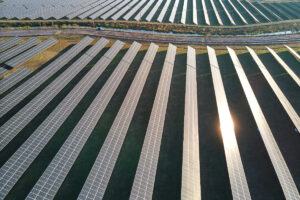
Utility-scale solar projects and community solar programs are on the rise.
-
Community Solar: These shared projects allow multiple households or businesses to benefit from one large installation. For example, a 2024 community solar project in New York State provided savings of 10–15% on utility bills for participating households.
-
Industrial Applications: Manufacturing facilities in Canada are adopting large rooftop solar arrays to meet ESG commitments and reduce carbon footprints.
-
Caribbean Islands: Community-based solar microgrids are enabling energy access in rural or storm-affected areas, offering both resilience and affordability.
5. Technological Innovations Transform Solar Panels
Solar panels themselves are undergoing rapid innovation:
-
Bifacial Panels: Capture sunlight from both sides, improving efficiency by up to 15%.
-
Perovskite Solar Cells: Promising breakthroughs in cost and performance, with pilot projects expected in 2025–2026.
-
Building-Integrated Photovoltaics (BIPV): Solar panels embedded in windows and facades, particularly useful for hotels and commercial buildings seeking aesthetic designs.
As these technologies move from labs to markets, businesses and homeowners will enjoy greater efficiency at lower costs.
6. Focus on Sustainability and Circular Solar
As adoption grows, questions about panel recycling and lifecycle management are becoming more urgent. By 2026, expect stronger policies requiring end-of-life recycling for solar components.
-
U.S. Market: Some states are implementing recycling mandates, requiring manufacturers to take back panels.
-
Corporate Demand: Businesses with ESG goals are prioritizing suppliers who commit to circular practices.
-
Practical Example: Hotels installing solar in Canada are increasingly asking vendors about recycling guarantees for panels after 20–25 years of use.
Practical Tips for Property Owners in 2025–2026
-
Plan for storage integration: Batteries are becoming essential for resilience and savings.
-
Leverage incentives quickly: Take advantage of tax credits and rebates before policies shift.
-
Think long-term: Choose panels and components from companies with recycling programs.
-
Consider smart integration: Pair solar with home or business energy management systems for maximum efficiency.
-
Partner with trusted experts: Work with firms that understand both technology and policy, like Solargy Power Solutions.
How Solargy Power Solutions Helps Clients Stay Ahead
At Solargy Power Solutions, we provide more than just solar installations. We help clients anticipate and benefit from industry trends:
-
Consulting and Planning: Analyzing energy needs and aligning them with emerging technologies.
-
Customized Design: Solar + storage solutions tailored for residences, condominiums, hotels, and commercial facilities.
-
Policy Navigation: Expertise in U.S., Canadian, and Caribbean regulations to maximize incentives.
-
Technology Integration: Implementing smart energy systems for better control and efficiency.
-
Long-Term Support: Maintenance, monitoring, and upgrades to ensure clients benefit from the latest advances.
The solar industry in 2025–2026 is defined by rapid innovation, favorable policies, and growing demand across all sectors. From solar + storage systems to smart integration, community solar, and advanced technologies, the opportunities for homeowners, hotels, businesses, and industries are greater than ever.
By partnering with Solargy Power Solutions, you gain a trusted advisor with the expertise to help you navigate evolving policies, adopt cutting-edge technologies, and achieve long-term sustainability and savings.
Are you ready to future-proof your energy strategy? Contact Solargy Power Solutions today for a personalized consultation.