What Are Community Solar Projects?
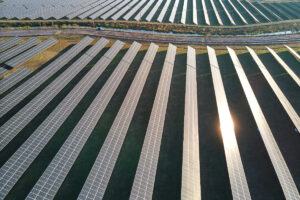
Community solar projects, also known as solar gardens or shared solar, are large solar power installations that provide energy to multiple households or businesses within a community. Unlike traditional solar setups, where solar panels are installed on individual homes or buildings, community solar projects are usually located on a central piece of land. The energy produced by these solar panels is then shared among subscribers who receive credits on their electricity bills.
How Do Community Solar Projects Work?
The process of participating in a community solar project is straightforward:
- Subscription: Individuals or businesses can subscribe to a portion of the community solar project. This means they effectively “lease” a portion of the solar panel array and receive credits for the energy produced by their share.
- Energy Production and Credits: The solar panels generate electricity that is fed into the local grid. The energy produced is measured, and subscribers receive a proportional credit on their utility bills based on their share of the solar project’s output.
- Savings: Subscribers typically see a reduction in their electricity bills without having to install or maintain solar panels themselves. This setup is ideal for renters, homeowners with shaded roofs, or anyone unable to install their own solar panels due to cost or structural limitations.
Benefits of Community Solar Projects
- Accessibility: One of the most significant advantages of community solar projects is that they make renewable energy accessible to a broader audience. Homeowners, renters, and businesses can all participate, regardless of whether they have suitable roofs for solar panels.
- Cost-Effectiveness: Community solar projects can be more affordable than individual solar installations. The shared costs among subscribers often mean lower upfront expenses, and the economies of scale can lead to better financing terms and lower operational costs.
- Environmental Impact: By participating in a community solar project, subscribers contribute to reducing carbon emissions and reliance on fossil fuels. These projects support local clean energy initiatives and promote environmental sustainability.
- Flexibility: Subscribers can typically join or leave a community solar project with relative ease, making it a flexible option for those who may move or change their energy needs over time.
- Local Economic Growth: Community solar projects can stimulate local economies by creating jobs in construction, maintenance, and administration. They also keep energy spending within the community, potentially lowering overall utility costs.
Considerations for Community Solar Projects
While community solar projects offer numerous benefits, there are also some factors to consider before participating:
- Availability: Not all areas have access to community solar projects. Availability often depends on local regulations, the interest of utility companies, and the capacity for solar installations in a given region.
- Contracts: Most community solar projects require a subscription contract, which can vary in terms and length. It’s essential to understand the terms of participation, including any exit fees or rate changes over time.
- Savings Variability: The amount saved on electricity bills can vary depending on the project’s size, the number of subscribers, and local utility rates. Potential subscribers should review the projected savings and compare them to their current energy costs.
The Future of Community Solar Projects
As more people become aware of the environmental and economic benefits of solar energy, the demand for community solar projects is expected to grow. Technological advancements are making solar panels more efficient and affordable, further enhancing the appeal of shared solar initiatives. Additionally, government incentives and supportive policies are likely to encourage the expansion of community solar projects, making them an even more integral part of the transition to renewable energy.
Community solar projects represent a powerful tool in the fight against climate change and offer a practical solution for increasing access to renewable energy. By pooling resources, communities can enjoy the benefits of solar power without the barriers typically associated with individual installations. As the solar energy industry continues to evolve, community solar projects are poised to play a significant role in shaping a cleaner, more sustainable future.