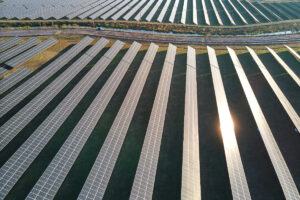
The solar energy sector stands at a remarkable crossroads, where breakthrough innovations converge with growing environmental consciousness and economic viability. What was once considered an alternative energy source has evolved into a mainstream solution that’s reshaping how we think about power generation. The trajectory of solar technology suggests we’re only scratching the surface of what’s possible.
Over the past decade, we’ve witnessed solar panel costs plummet by more than 80%, making renewable energy accessible to millions who previously couldn’t afford it. But cost reduction is just one piece of a much larger puzzle. Today’s solar industry is experiencing a renaissance driven by cutting-edge materials science, artificial intelligence, and creative deployment strategies that are pushing the boundaries of what we thought possible with photovoltaic technology.
As we look toward the horizon, several key trends are emerging that will fundamentally transform the solar landscape. These developments promise not only to make solar energy more efficient and affordable but also to integrate it seamlessly into our daily lives in ways we’re just beginning to imagine.
1. Revolutionary Advances in Solar Panel Efficiency
The quest for higher efficiency solar panels has become something of a holy grail in renewable energy research, and we’re finally seeing that pursuit pay dividends. Traditional silicon-based solar panels, which have dominated the market for decades, typically convert between 15-22% of sunlight into electricity. While respectable, there’s enormous room for improvement.
Enter perovskite solar cells, a game-changing technology that’s generating excitement throughout the scientific community. These crystalline materials can be manufactured at significantly lower temperatures than silicon, reducing production costs while potentially delivering efficiency rates exceeding 30%. Recent laboratory results have shown perovskite cells achieving efficiencies that rival or surpass conventional silicon panels, and researchers are working feverishly to solve the durability challenges that have prevented their widespread commercial deployment.
What makes perovskites particularly intriguing is their versatility. They can be printed onto flexible substrates, opening up applications for solar technology in places we’ve never considered before. Imagine solar cells integrated into windows, building facades, or even clothing. The material’s light weight and flexibility could revolutionize how we think about energy generation in urban environments.
Meanwhile, bifacial solar panels are already making waves in the commercial market. These innovative panels capture sunlight from both their front and back surfaces, increasing energy generation by 10-30% depending on installation conditions. When installed over reflective surfaces or elevated above the ground, bifacial panels can harness sunlight that bounces off surrounding surfaces, extracting more energy from the same footprint. This technology is particularly valuable in land-constrained installations where maximizing output per square meter is crucial.
The convergence of these technologies is pushing us toward a future where ultra-high-efficiency panels become the norm rather than the exception. Some researchers are even exploring tandem cells that stack different materials to capture various portions of the solar spectrum more effectively, potentially pushing efficiency beyond 40% in the coming years.
2. The Energy Storage Revolution
Solar panels can generate electricity, but without effective storage solutions, that power is only available when the sun shines. This fundamental challenge has historically limited solar’s ability to serve as a primary energy source. That’s changing rapidly thanks to breakthroughs in battery technology.
Lithium-ion batteries, which have become ubiquitous in everything from smartphones to electric vehicles, are now finding their way into home and commercial solar installations at scale. However, the industry isn’t resting on lithium’s laurels. Researchers are actively developing alternative chemistries that promise to address lithium-ion’s limitations, including cost, resource scarcity, and safety concerns.
Solid-state batteries represent one promising avenue, offering higher energy density and improved safety profiles compared to conventional lithium-ion technology. These batteries replace the liquid electrolyte with a solid material, eliminating the risk of leakage and reducing fire hazards. While still in the development phase, solid-state batteries could dramatically reduce the size and cost of solar energy storage systems.
Flow batteries offer another intriguing alternative, particularly for large-scale installations. These systems store energy in liquid electrolytes contained in external tanks, allowing capacity to be scaled independently of power output. This flexibility makes flow batteries particularly well-suited for grid-scale storage applications where long-duration energy storage is essential.
Beyond the batteries themselves, smart energy management systems are becoming increasingly sophisticated. These systems use advanced algorithms to predict energy needs, optimize charging and discharging cycles, and even trade energy with the grid when it’s most profitable. The result is a more resilient, efficient, and economically viable solar energy system that can adapt to changing conditions in real-time.
The integration of vehicle-to-grid technology adds another dimension to this storage ecosystem. Electric vehicles essentially function as mobile battery banks that can store solar energy during the day and either use it for transportation or feed it back into the home during evening peak demand periods. This synergy between solar, stationary storage, and electric vehicles creates a flexible, interconnected energy network.
3. AI and Smart Home Integration: The Intelligence Layer
The marriage of solar energy with artificial intelligence and smart home technology represents a paradigm shift in how we manage residential power. Gone are the days of passive solar installations that simply feed energy into the grid. Today’s systems are becoming intelligent entities that learn, adapt, and optimize themselves.
AI algorithms can analyze historical usage patterns, weather forecasts, and real-time energy prices to make split-second decisions about when to store energy, when to use it, and when to sell it back to the grid. These systems become more intelligent over time, learning the unique rhythms of each household and adjusting accordingly. If the system knows you typically run your dishwasher at 8 PM, it can ensure sufficient stored solar energy is available, even on cloudy days.
Machine learning models are also revolutionizing solar panel maintenance. By continuously monitoring performance metrics, these systems can detect degradation or malfunctions before they become serious problems. Predictive maintenance alerts can notify homeowners when panels need cleaning or when a component is likely to fail, minimizing downtime and maximizing energy production over the system’s lifetime.
Smart home integration takes this intelligence a step further. Imagine your home automatically shifting high-energy tasks like laundry, pool filtering, or electric vehicle charging to times when solar production is at its peak. Your HVAC system could pre-cool your home during peak solar hours, reducing the need for grid electricity during expensive evening peak periods. These micro-optimizations compound over time, significantly improving the return on investment for solar installations.
Voice-activated assistants are even getting into the act, allowing homeowners to check their solar production, adjust settings, or query their energy usage with simple voice commands. The technology that once required an engineering degree to understand is becoming as accessible as checking the weather on your smartphone.
4. Community Solar: Democratizing Access to Renewable Energy
Not everyone can install solar panels on their property. Renters, apartment dwellers, people with heavily shaded roofs, and those in historic districts often find themselves excluded from the solar revolution despite wanting to participate. Community solar projects are changing that equation.
These innovative arrangements allow multiple subscribers to benefit from a single, larger solar installation, typically located on vacant land, parking structures, or large commercial roofs. Subscribers receive credits on their electricity bills proportional to their share of the array’s production, allowing them to enjoy the financial benefits of solar without needing their own panels.
The beauty of community solar lies in its accessibility. A renter in a downtown apartment can subscribe to a community solar farm in a nearby rural area, supporting renewable energy while reducing their electricity costs. The barriers to entry are minimal—often just a simple subscription agreement with no upfront capital required.
From an efficiency standpoint, community solar makes excellent sense. Larger installations benefit from economies of scale, professional maintenance, and optimal siting that individual residential installations can’t match. A community solar farm can be located where sunshine is most abundant and where land is affordable, rather than being constrained by residential roof orientation and shading.
We’re seeing explosive growth in this sector as state policies evolve to support shared renewable energy models. Virtual net metering programs, which allow the credits from community solar installations to be distributed across multiple utility accounts, have been crucial in enabling this growth. As more states adopt favorable policies and as utilities recognize the benefits of distributed generation, community solar is positioned to become a cornerstone of the renewable energy transition.
5. Floating Solar Farms: Conquering New Frontiers
Land scarcity presents a significant challenge for solar deployment, especially in densely populated regions where every square meter comes at a premium. Floating solar farms, or floatovoltaics, offer an elegant solution by utilizing one of Earth’s most abundant resources: water surfaces.
These installations deploy solar panels on pontoons or floating platforms anchored to bodies of water like reservoirs, lakes, wastewater treatment ponds, or even calm coastal areas. The concept might sound unusual, but it offers compelling advantages beyond simply saving land.
Water has a natural cooling effect on solar panels, which can increase their efficiency by 5-10% compared to ground-mounted systems. Solar panels lose efficiency as they heat up, so the cooling effect of water beneath them helps maintain optimal operating temperatures throughout the day. This efficiency boost can translate to significant additional energy production over the system’s lifetime.
Floating solar farms also help reduce water evaporation from reservoirs—a critical benefit in drought-prone regions. The shade provided by solar panels can decrease evaporation by up to 70%, preserving precious water resources while generating clean energy. In agricultural areas where irrigation reservoirs are common, this dual benefit makes floating solar particularly attractive.
Installation on water bodies eliminates dust accumulation, one of the primary efficiency drains for ground-mounted solar arrays. Rain naturally cleans the panels, and the absence of soil erosion and vegetation growth reduces maintenance requirements. The aquatic environment also lacks the structural obstacles and property boundary issues that complicate land-based installations.
Countries like China, Japan, and Singapore have already deployed large-scale floating solar farms, demonstrating the technology’s viability. As installation techniques improve and costs decline, we can expect to see floating solar become a standard component of the renewable energy mix, particularly in water-rich regions where land is scarce.
6. Advanced Solar Tracking Systems: Following the Sun’s Path
Static solar panels are inherently inefficient—they’re only optimally oriented for a brief period each day as the sun moves across the sky. Solar tracking systems address this limitation by mechanically adjusting panel orientation throughout the day to maintain optimal angles relative to the sun.
Single-axis trackers, which rotate on one axis, can increase energy production by 15-25% compared to fixed installations. Dual-axis trackers, which adjust both horizontally and vertically, can boost output by 30-40%. While these systems have historically been too expensive for widespread residential use, declining costs and improved reliability are making them increasingly attractive.
The next generation of tracking systems incorporates AI and machine learning to optimize performance beyond simple sun-following. These intelligent trackers can account for cloud cover, prioritizing certain panels when others are shaded. They can adjust for wind conditions, tilting panels to reduce wind resistance during storms. Some advanced systems even incorporate weather forecasting data to pre-position panels for optimal capture of intermittent sunlight during partly cloudy conditions.
Newer tracking mechanisms are becoming more robust and require less maintenance than earlier generations. Direct-drive motors have replaced hydraulic systems in many installations, eliminating potential fluid leaks and reducing servicing requirements. The bearings and pivots have been redesigned to withstand decades of constant movement without degradation.
For utility-scale solar farms, where maximizing output per acre is paramount, tracking systems have become virtually standard. As costs continue to fall and as homeowners seek to maximize their roof space efficiency, we’ll likely see tracking technology adapted for residential applications, perhaps in the form of solar canopies over driveways or yards.
7. Agrivoltaics: Where Agriculture Meets Solar Energy
The agricultural sector is embracing solar energy in increasingly creative ways, with agrivoltaics—the practice of co-locating crops and solar panels—emerging as a particularly promising approach. Rather than treating agriculture and solar energy as competing land uses, agrivoltaics recognizes that they can be complementary.
Strategic placement of solar panels over crops can provide beneficial shade, reducing water evaporation and protecting sensitive plants from excessive heat or hail. Certain crops actually thrive in the partial shade provided by elevated solar panels. Studies have shown that leafy greens, berries, and various vegetables can produce equal or higher yields when grown under solar arrays compared to full sun conditions.
This dual-use approach is especially valuable in arid regions where water scarcity constrains agriculture. The shade from solar panels can reduce crop water requirements by 20-30%, making agriculture viable in areas where it previously wasn’t. Meanwhile, the solar panels generate revenue that can offset farming costs and provide income stability in years when crop yields are poor.
Solar energy is also powering agricultural operations directly. Irrigation pumps, one of the largest energy consumers on farms, are increasingly running on solar power. This is particularly transformative in developing regions where reliable grid electricity is unavailable. Solar-powered irrigation allows farmers to water their crops on demand without depending on diesel generators or unreliable grid connections.
Greenhouse operations are natural candidates for solar integration. The large roof surfaces of greenhouses provide ideal mounting locations for panels, and the energy generated can power climate control systems, supplemental lighting, and water pumping systems. Some innovative designs integrate semi-transparent solar panels directly into greenhouse roofing, generating power while still allowing sufficient light for plant growth.
8. Solar-Powered EV Charging: Closing the Clean Transportation Loop
The convergence of solar energy and electric vehicles represents one of the most promising synergies in the clean energy transition. Solar-powered EV charging stations complete the circle of sustainable transportation by ensuring that vehicles run on genuinely renewable energy rather than electricity from fossil fuel sources.
Home charging represents the most straightforward application. Homeowners with solar panels can charge their EVs during the day when panels are producing, or they can store solar energy in home batteries for evening charging. This eliminates the need to draw from the grid for transportation energy, dramatically reducing the carbon footprint of vehicle operation.
Public charging infrastructure is rapidly expanding with solar integration. Parking structures covered with solar canopies serve a dual purpose: they protect vehicles from the elements while generating the power needed for EV charging. These installations can operate partially or completely off-grid, reducing the burden on local electrical infrastructure.
Businesses are discovering that solar-powered EV charging stations offer marketing benefits beyond the environmental appeal. They attract environmentally conscious customers who prefer to charge their vehicles with clean energy. For fleet operators, solar-powered charging facilities provide predictable, long-term energy costs, insulating them from grid electricity price fluctuations.
The technology is evolving beyond simple solar-to-vehicle charging. Bidirectional charging systems allow EVs to serve as mobile storage units that can return power to buildings or the grid when needed. An office building with a solar array and a fleet of electric vehicles essentially has a flexible, distributed energy storage system that can optimize energy usage across the entire facility.
9. Policy Support and Financial Incentives: The Enabling Environment
Technology alone doesn’t drive energy transitions—supportive policies and economic incentives are equally crucial. Governments worldwide are implementing increasingly aggressive measures to accelerate solar adoption as part of their climate commitments.
Tax credits remain one of the most powerful tools for encouraging solar investment. The U.S. Investment Tax Credit, for example, has been instrumental in driving residential and commercial solar adoption. Similar incentives exist in countries around the world, reducing the upfront cost barrier that has historically prevented many potential adopters from going solar.
Net metering policies, which allow solar system owners to receive credit for excess electricity they feed into the grid, fundamentally improve the economics of solar installations. These policies effectively use the grid as a virtual battery, allowing homeowners to draw power when needed and contribute when they’re producing surplus. The value of net metering varies significantly by jurisdiction, and ongoing policy debates about fair compensation for solar energy will shape adoption rates in coming years.
Feed-in tariffs take a different approach, guaranteeing a fixed price for solar electricity over extended periods. This provides certainty that’s particularly valuable for commercial and utility-scale projects that require significant upfront investment. Several European countries have used feed-in tariffs successfully to rapidly scale their solar capacity.
Renewable portfolio standards, which require utilities to source a certain percentage of their electricity from renewable sources, create guaranteed demand for solar energy. These mandates drive utility-scale solar development and can indirectly benefit distributed solar by encouraging utilities to support customer-owned installations.
Building codes are evolving to incorporate solar-ready requirements, ensuring that new construction can easily accommodate solar panels. Some jurisdictions have gone further, mandating solar installations on new residential and commercial buildings. California, for example, requires solar panels on most new homes, setting a precedent that other states are beginning to follow.
Conclusion: A Solar-Powered Tomorrow
The convergence of these nine trends paints a compelling picture of solar energy’s trajectory. We’re moving toward a future where solar isn’t just an alternative energy source but the primary foundation of our power infrastructure. The technology is becoming more efficient, more affordable, and more intelligent. Crucially, it’s also becoming more accessible to people regardless of their housing situation or geographic location.
The implications extend far beyond simply generating clean electricity. Solar energy is reshaping entire sectors—from agriculture to transportation to residential construction. It’s creating new economic opportunities and driving innovation across multiple industries. The jobs created by the solar sector now number in the millions globally, and that growth shows no signs of slowing.
Perhaps most importantly, solar energy is proving that environmental sustainability and economic prosperity aren’t contradictory goals. The same systems that reduce carbon emissions also reduce electricity costs for consumers and create business opportunities. This alignment of environmental and economic interests is accelerating adoption in ways that purely environmental appeals never could.
Challenges remain, certainly. Energy storage needs to become more affordable and widespread. Grid infrastructure must evolve to handle high penetrations of distributed solar power. Policy frameworks need continued refinement to ensure equitable access and fair compensation. But these are solvable problems, and solutions are already emerging.
For homeowners and businesses considering solar, the message is clear: the technology has matured, the economics are compelling, and the trajectory is upward. The solar installations we deploy today are more efficient, more reliable, and more cost-effective than ever before. And the innovations coming tomorrow promise to make them even better.
The sun has been our planet’s primary energy source for billions of years. We’re finally developing the technology to harness that power efficiently and at scale. As these trends unfold over the coming years, we’ll look back at this period as the moment when humanity truly began to tap into the abundant, clean energy that’s been shining down on us all along. The future is bright, and increasingly, it’s solar-powered.